Zen Gardening
Creating spaces for peace and contemplation
Japanese zen gardens are designed as spaces for meditation and contemplation. Every element — stone, water, plant, and empty space — is placed with intention, creating environments that invite stillness and reflection.
Essential Elements
Karesansui (Dry Garden)
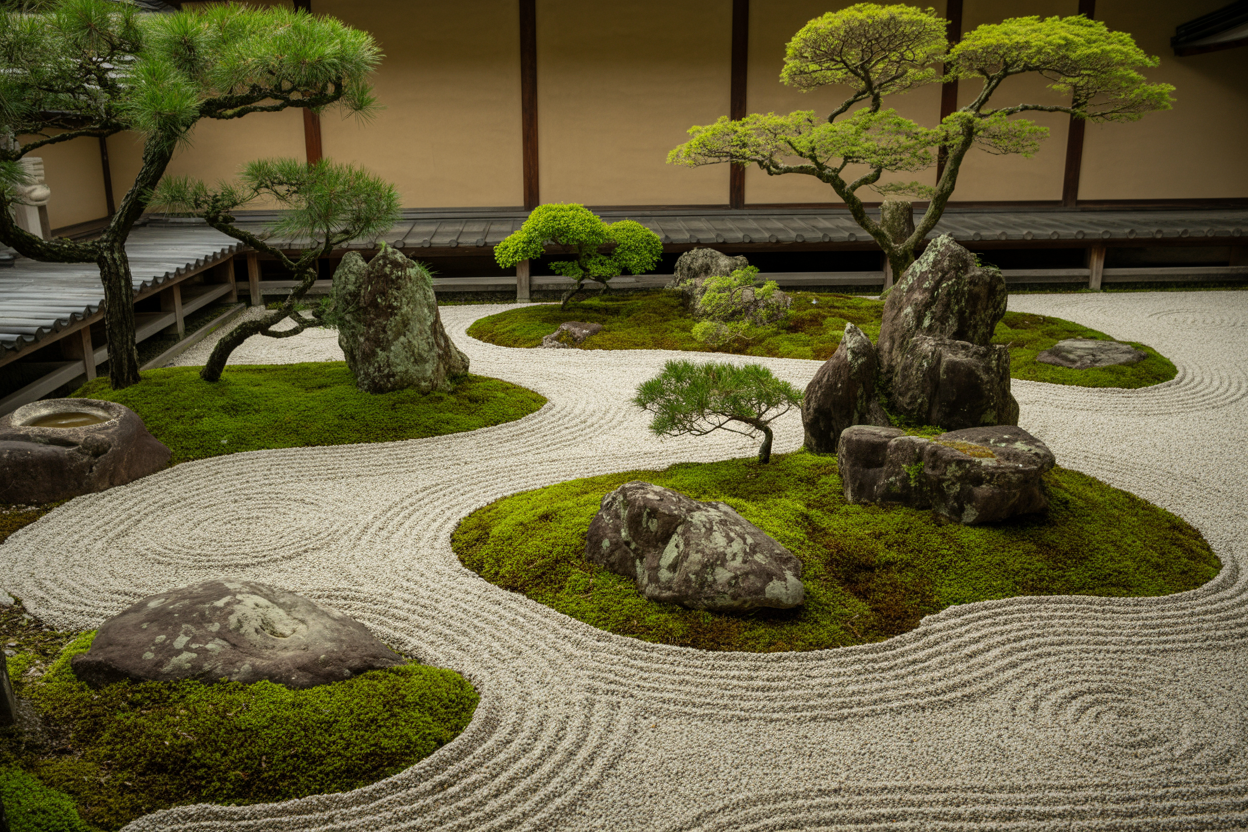
Raked gravel represents water, while carefully placed rocks symbolize mountains and islands. The act of raking becomes a meditative practice.
Tsukubai (Water Basin)
A stone water basin for ritual purification. The sound of flowing water adds tranquility and reminds us of impermanence.
Shakkei (Borrowed Scenery)
Incorporating distant views into your garden design, blurring the boundary between the cultivated space and nature beyond.
Niwaki (Garden Trees)
Artfully pruned trees trained over years to create natural-looking shapes that capture the essence of nature in miniature.
Getting Started
1. Start with Stones
Stones are the bones of a zen garden. Place your largest stones first, setting the foundation for the entire design. Odd numbers (3, 5, 7) create natural-looking arrangements.
2. Embrace Asymmetry
Perfect symmetry feels artificial. Zen gardens use asymmetrical balance to create harmony that mirrors nature's own patterns.
3. Choose Plants Mindfully
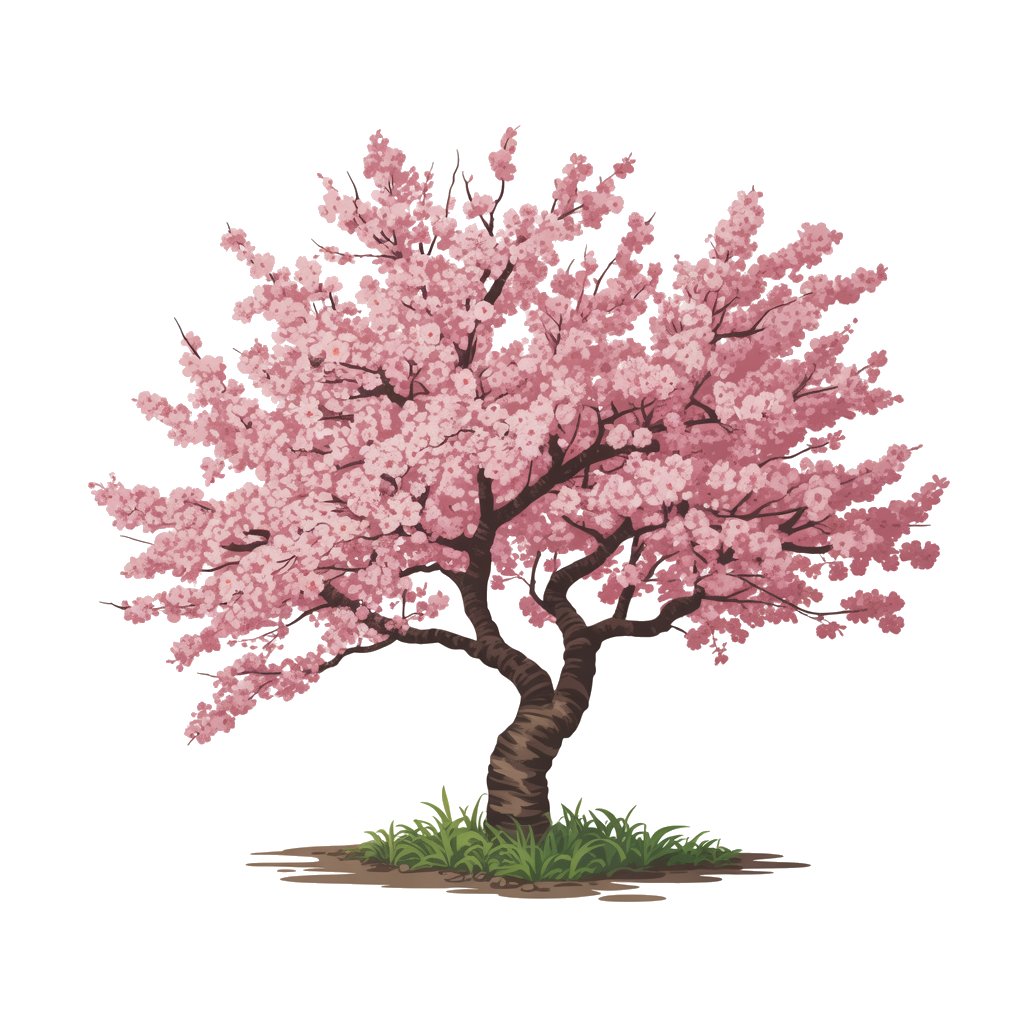
Select plants that change with seasons — spring blossoms, summer green, autumn color, winter structure. Evergreens provide year-round presence.
4. Create Flow
Use paths and stepping stones to guide movement through the space. The journey through a garden should feel like a meditation.
Seasonal Garden Guide
Member-exclusive monthly care calendar
